


What Are the Key Benefits of Using an Aquaculture Barrel in Fish Farming?
Aquaculture barrels have become an essential component in modern fish farming operations, providing a versatile and efficient method for cultivating fish. They are widely used in small-scale backyard systems, commercial hatcheries, and recirculating aquaculture systems due to their durability, ease of use, and flexibility. Unlike traditional ponds or large tanks, barrels allow farmers to maintain controlled conditions, reduce water usage, and improve fish health. By enabling precise monitoring of environmental factors such as temperature, oxygen levels, and waste accumulation, aquaculture barrels contribute to higher survival rates, improved growth performance, and more predictable production outcomes. Additionally, their portability and modularity make it possible to expand or modify aquaculture setups with minimal investment. This article delves into the key benefits of aquaculture barrels and explains how they enhance fish farming practices.
1. Efficient Water Management
Maintaining Water Quality
One of the primary advantages of using aquaculture barrels is their ability to provide efficient water management. Maintaining optimal water quality is critical for fish health and growth. Aquaculture barrels allow precise control of parameters such as dissolved oxygen, pH, ammonia, nitrite, and nitrate levels. The enclosed design minimizes contamination from external sources such as debris, dust, and pollutants, creating a safer and more stable environment for fish. Furthermore, barrels can be integrated with aeration systems, biological filters, or mechanical filtration units to maintain consistent water quality. Proper water management reduces stress on fish, prevents disease outbreaks, and ensures that fish reach their maximum growth potential. Farmers can also adjust water parameters based on species-specific requirements, which is particularly important for sensitive species that are prone to stress in fluctuating conditions.
Easy Water Exchange
Aquaculture barrels are designed to simplify water exchange procedures. Many models include valves or spigots that allow quick partial or complete water changes, which is crucial for removing waste products, uneaten feed, and metabolic byproducts. Regular water replacement prevents the accumulation of harmful substances like ammonia and nitrites, which can negatively affect fish health. In addition, the ability to rapidly drain and refill barrels allows farmers to maintain higher stocking densities without compromising water quality. This feature is especially beneficial for hatcheries and nursery setups where small, delicate fish require frequent monitoring and adjustments of water conditions. Overall, the controlled environment in aquaculture barrels leads to better water quality management, reduced disease risk, and improved productivity.
2. Space and Resource Efficiency
Compact Design
Aquaculture barrels are typically cylindrical and compact, which allows for highly efficient use of available space. Farmers can arrange multiple barrels in vertical or horizontal configurations, maximizing production capacity without the need for large land areas. The compact footprint makes barrels suitable for indoor farming setups, greenhouses, or urban aquaponics projects. Additionally, their stackable design provides the flexibility to expand operations gradually, accommodating more fish as production needs increase. By using barrels, farmers can achieve high-density aquaculture while maintaining manageable operational workflows. This space efficiency also makes it easier to isolate specific groups of fish for breeding, health monitoring, or quarantine purposes, improving overall farm management.
Reduced Water Usage
Compared to traditional ponds or large tanks, aquaculture barrels significantly reduce water consumption while still maintaining adequate conditions for fish growth. The limited volume allows for precise water monitoring and recirculation, minimizing waste. This reduction in water usage not only lowers operational costs but also aligns with sustainable practices, particularly in regions with limited freshwater resources. The small but controlled water volume enables the use of filtration and aeration systems more effectively, maintaining a stable and healthy environment for the fish. Reduced water usage combined with better environmental control translates to higher efficiency and more predictable yields in fish farming operations.
3. Durability and Material Advantages
High-Quality Materials
Most aquaculture barrels are made from high-density polyethylene (HDPE) or food-grade plastics that are resistant to UV rays, corrosion, and chemical reactions. These materials ensure long-lasting durability, even when exposed to outdoor environments or fluctuating temperatures. Unlike metal tanks, HDPE barrels do not rust or leach harmful substances, ensuring the safety of the fish and the water supply. Some barrels also come with reinforced walls to withstand high stocking densities and the stress of frequent handling. Choosing barrels made from high-quality materials extends the lifespan of the equipment, reduces maintenance costs, and enhances the overall reliability of the aquaculture system.
Lightweight and Portable
Another key advantage of aquaculture barrels is their lightweight nature. Unlike concrete or metal tanks, barrels are easy to move, reposition, and transport. This portability allows farmers to rearrange their setups based on operational needs, isolate fish populations for health monitoring, or relocate barrels for seasonal adjustments. Portable barrels also make it easier to introduce new fish or to carry out maintenance tasks without disrupting the entire system. The combination of durability and mobility provides fish farmers with practical flexibility, making barrels suitable for both temporary and permanent installations.
4. Enhanced Fish Health and Growth
Controlled Environment
Aquaculture barrels offer a highly controlled environment that optimizes fish growth and overall health. By regulating water temperature, dissolved oxygen, and nutrient levels, farmers can create conditions that reduce stress and improve feeding efficiency. Fish kept in stable, predictable conditions tend to grow faster, convert feed more efficiently, and exhibit stronger immune systems. This controlled environment is particularly beneficial for sensitive species that require specific water conditions to thrive. Furthermore, barrels allow farmers to monitor fish behavior closely, enabling early detection of illness or stress before it spreads to the rest of the stock.
Disease Prevention
By keeping fish in separate barrels or small batches, farmers can minimize the spread of disease and parasites. Enclosed systems reduce the likelihood of contamination from pathogens, predators, or external debris. Additionally, barrels facilitate quarantine procedures for new or sick fish, allowing farmers to treat and monitor individuals without affecting the rest of the population. Maintaining a clean, controlled environment improves survival rates and reduces losses due to illness, which is essential for maintaining productivity and profitability in fish farming operations.
5. Versatility in Applications
Suitable for Different Species
Aquaculture barrels are highly versatile and can be adapted for various fish species, including tilapia, catfish, trout, and ornamental fish. Their size, shape, and material composition allow customization for species-specific needs, including water depth, temperature, and feeding habits. Farmers can adjust aeration, filtration, and lighting to suit the requirements of each species, making barrels a flexible choice for multi-species farming or experimental research. This adaptability is particularly valuable for aquaculture businesses looking to diversify their production without investing in multiple tank types.
Integration with Recirculating Aquaculture Systems (RAS)
Barrels are commonly used in recirculating aquaculture systems, where water is filtered, oxygenated, and reused to maintain optimal conditions. Their compact size and compatibility with pumps, filters, and aeration devices make them ideal for RAS setups. By integrating barrels with RAS, farmers can maintain stable water quality while reducing water and energy consumption. This integration supports sustainable aquaculture practices, minimizes environmental impact, and ensures consistent production outcomes. Barrels in RAS setups also provide opportunities for automation, monitoring, and centralized management, enhancing overall operational efficiency.
Comparison Table: Benefits of Aquaculture Barrels
| Benefit | Description | Impact on Fish Farming |
|---|---|---|
| Water Quality Control | Allows monitoring and adjustment of oxygen, pH, and ammonia | Healthier fish and reduced disease risk |
| Space Efficiency | Compact, stackable design maximizes farming area | Higher stocking density and flexible layout |
| Durability | Made from HDPE or food-grade plastic resistant to corrosion | Long lifespan and low maintenance requirements |
| Portability | Lightweight and easy to move or reposition | Greater flexibility in farm management and maintenance |
| Controlled Environment | Optimized oxygen, temperature, and nutrients | Improved growth rate and feed conversion efficiency |
| Versatility | Suitable for multiple species and RAS integration | Supports diverse aquaculture operations and experimental setups |
FAQ
1. Can aquaculture barrels be used outdoors?
Yes, barrels made from UV-resistant materials are suitable for outdoor use. However, covering or shading the barrels may help prevent excessive temperature fluctuations and protect fish during extreme weather.
2. How often should water be replaced in an aquaculture barrel?
Water replacement depends on the fish species, stocking density, and filtration system. Regular monitoring of oxygen, ammonia, and nitrite levels is essential. Partial water changes weekly or biweekly are typically recommended to maintain optimal conditions.
3. Are aquaculture barrels suitable for large-scale fish farming?
While barrels are ideal for small- to medium-scale operations, they are often used in combination with recirculating systems for larger setups. Multiple barrels can serve as nursery tanks, quarantine units, or auxiliary growth tanks in industrial farms.
4. How do aquaculture barrels improve fish survival rates?
Barrels provide controlled water quality, reduce contamination risks, and allow population separation to prevent disease spread. These factors collectively enhance survival rates and promote consistent growth.
5. Can different fish species be housed in the same barrel?
It is not recommended, as different species may have different oxygen, temperature, and feeding requirements. Housing species separately ensures optimal environmental conditions and reduces stress or competition.
References
- FAO Aquaculture Guidelines – Best Practices for Small-Scale Fish Farming
- Recirculating Aquaculture Systems Manual
- Handbook of Aquaculture Techniques and Equipment
- Food-Grade Plastic Materials in Aquaculture Applications
সম্পর্কিত পণ্য
-
স্কয়ার রোটোমোল্ডিং পিই ফ্লোটিং পন্টুন
-
রোটোমোল্ডিং এলএলডিপিই ফ্লোটিং প্ল্যাটফর্ম
-
টেকসই 200mm ABS ঘূর্ণনশীল ছাঁচনির্মাণ ভাসমান বল
-
500mm একক কান রোটোমোল্ডিং ফ্লোটিং বল
-
500mm প্লাস্টিক ফ্লোটিং বল LLDPE সতর্কতা বল ফ্লোটার
-
সতর্কতা ভাসমান ড্রেজিং পাইপ পন্টুন
-
এলএলডিপিই প্লাস্টিক ঘূর্ণনশীল ছাঁচনির্মাণ ড্রেজ পাইপ ফ্লোট পন্টুন
-
সামুদ্রিক নেভিগেশন বয়া/ওয়ার্নিং বয়
-
LLDPE স্টেশনারী নেভিগেশন বীকন ফ্লোটিং বয়
-
ইপিএস ফিলার সহ রোটোমোল্ডিং সতর্কতা ফ্লোট
-

রোটোমোল্ডিং অ্যান্টি-ওয়েভ বয়
-
এলএলডিপিই ড্রেজিং স্লাজ রোটোমোল্ডেড ফ্লোটিং রিং
-

200 ব্যাস রোটোমোল্ডিং স্যুয়েজ রিটেনিং ফ্লোট
-
রোটোমোল্ডিং প্লাস্টিক এলএলডিপিই ফুয়েল ট্যাঙ্ক
-
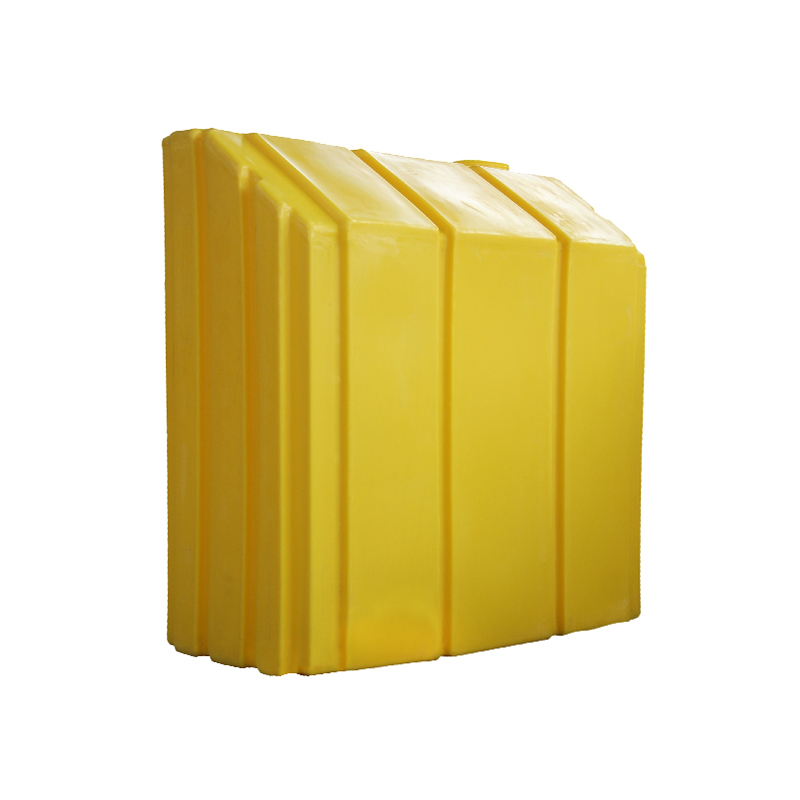
রোটোমোল্ডিং প্ল্যান্ট প্রোটেকশন ওয়াটার ট্যাঙ্ক
-
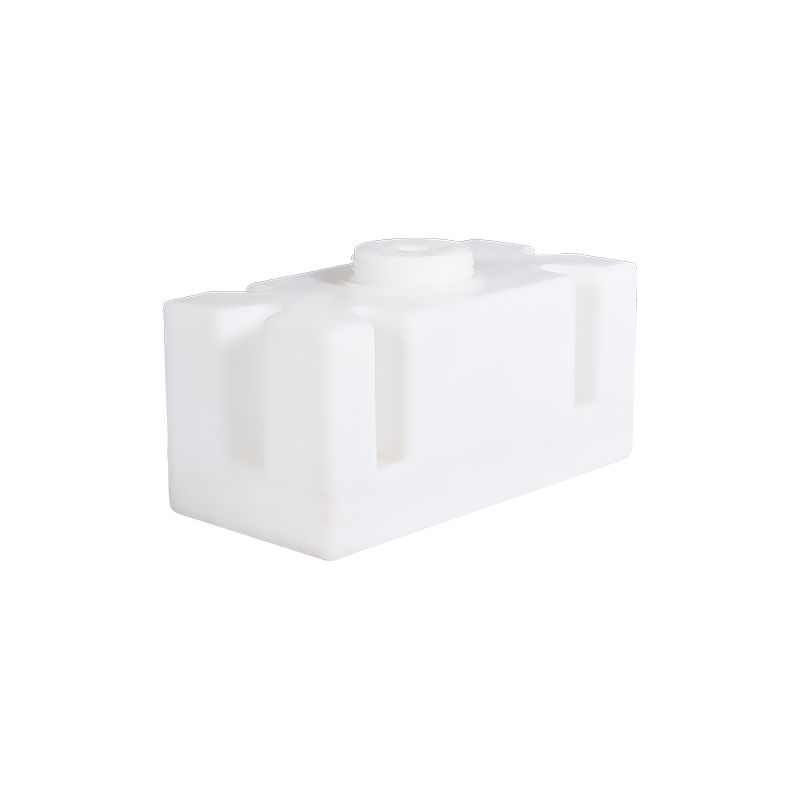
রোটোমোল্ডিং এলএলডিপিই আরভি ফ্রেশ ওয়াটার ট্যাঙ্ক
-
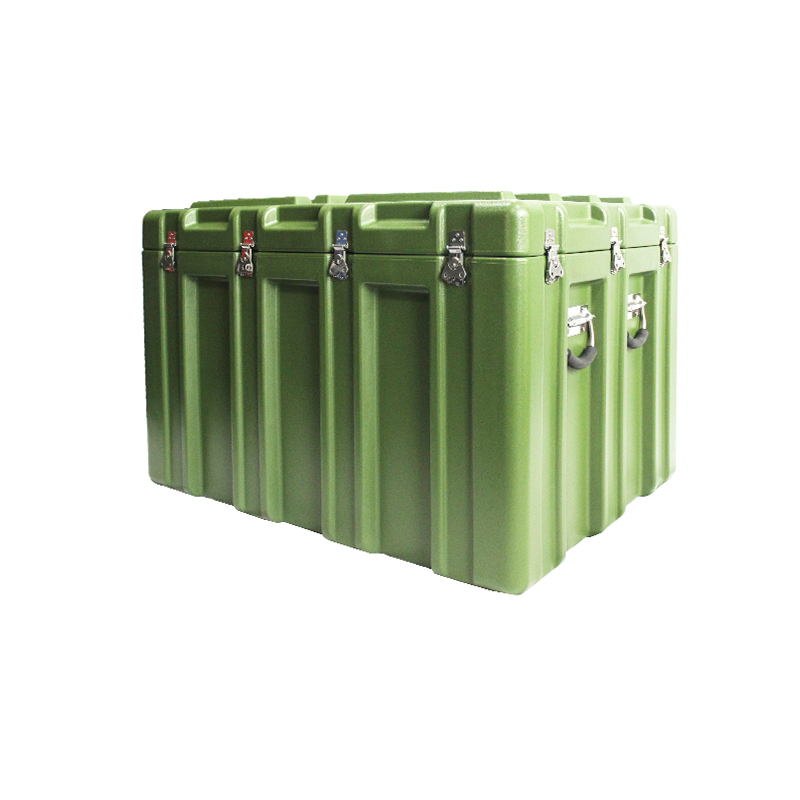
রোটোমোল্ডিং ফাইন্যান্সিয়াল বক্স JBR-835356
-
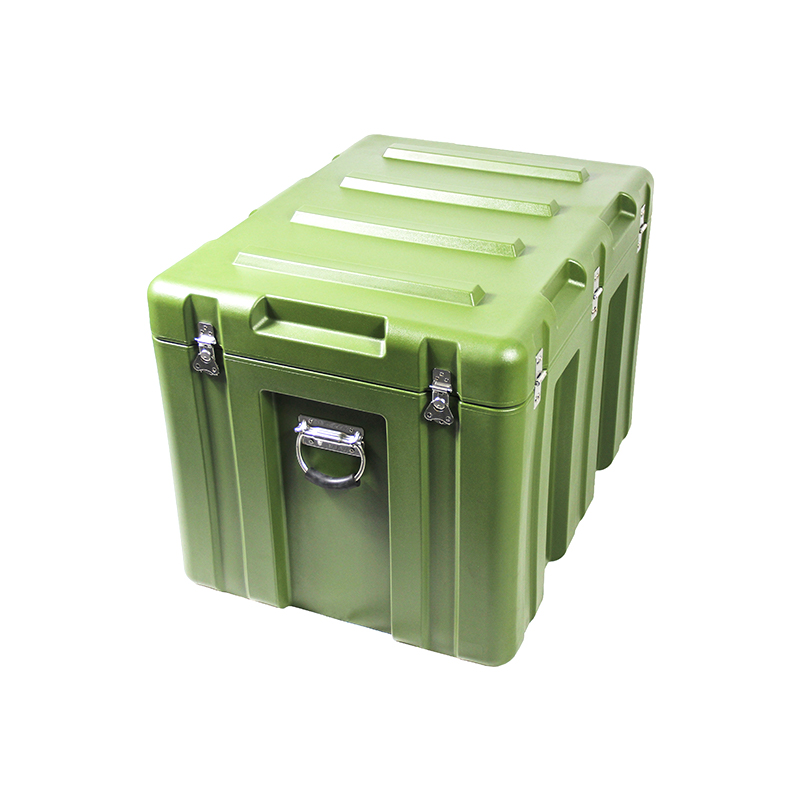
রোটোমোল্ডিং রেসকিউ ইকুইপমেন্ট বক্স JBR-806054
দ্রুত যোগাযোগ
-
 wuyuqiao গ্রাম, Henghe Town, Cixi City, Zhejiang প্রদেশ
-
 +86-15257871220
-
 [email protected]
কপিরাইট© Cixi Junyi Plastic Industry Co, Ltd.
যোগাযোগ রাখুন
